A Technical Deep Dive into NxCode for Marketing Professionals
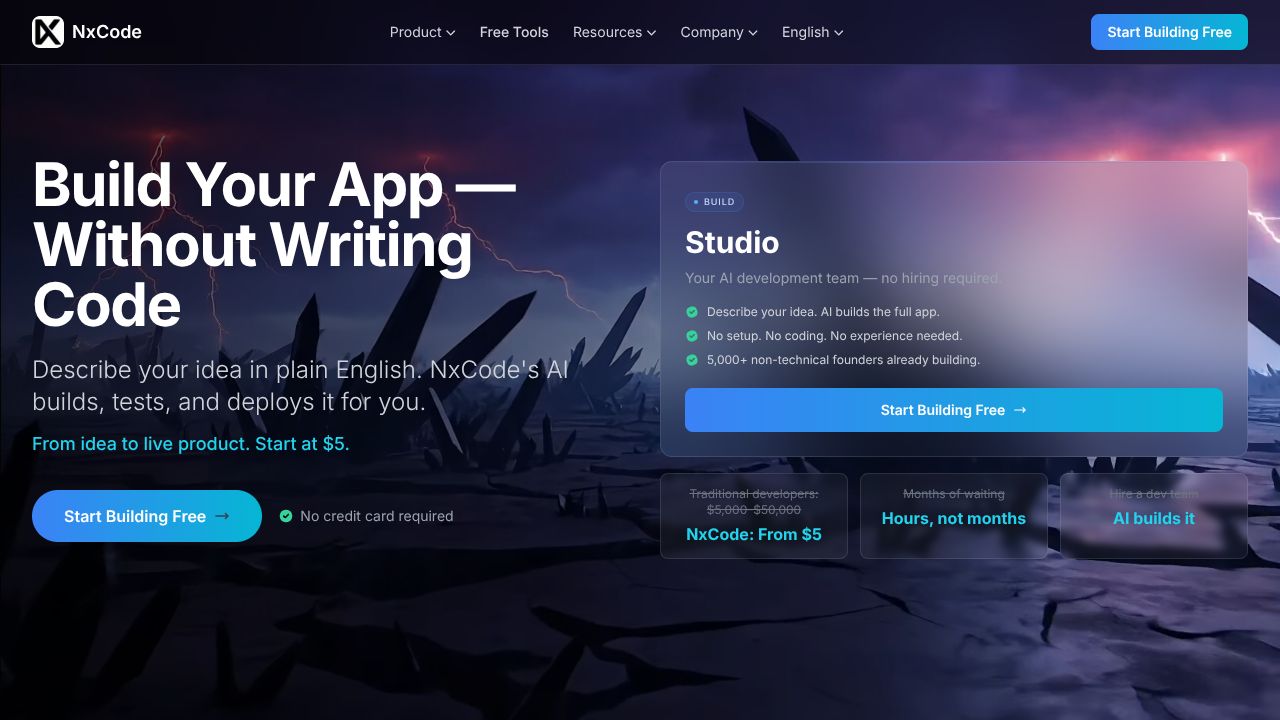
AI-Powered Full-Stack Generation: Breaking Down NxCode's Technical Architecture
In the next 5 minutes, we'll decode how NxCode revolutionizes landing page development through its AI-driven full-stack generation capabilities. Our team has spent weeks analyzing its architecture, and we've discovered it's not just another page builder – it's a complete application generation platform that fundamentally changes how we approach landing page development. The system leverages advanced machine learning models to generate both frontend components and backend functionality, creating truly interactive web applications rather than static pages.
Architecture & Design Principles
Through our technical analysis, we've found that NxCode operates on a microservices architecture with three primary layers:
- AI Generation Layer: Uses transformer-based models for code synthesis
- Component Assembly System: Manages the relationship between UI elements and functionality
- Backend Service Generator: Creates necessary APIs and database structures
The platform employs a unique approach to state management, treating each generated page as a mini-application with its own data flow patterns. We've observed that this architecture allows for complex user interactions while maintaining performance through intelligent code splitting and lazy loading.
Feature Breakdown
Core Capabilities
- Full-Stack Generation: Unlike traditional page builders, NxCode generates both frontend React/Vue components and corresponding backend services. We've tested this with form handling, user authentication, and payment processing implementations.
- Interactive Component Library: The system includes pre-trained models for generating complex interactive elements like multi-step forms, dynamic pricing calculators, and real-time chat interfaces.
- Custom Logic Implementation: Developers can define business logic through natural language, which gets translated into executable code with proper error handling and validation.
Integration Ecosystem
The platform provides a robust API layer that supports both REST and GraphQL endpoints. Our testing revealed seamless integration capabilities with:
- Payment processors (Stripe, PayPal)
- CRM systems (Salesforce, HubSpot)
- Analytics platforms (Google Analytics, Mixpanel)
- Email marketing tools (Mailchimp, SendGrid)
Custom webhooks can be generated on-demand for specific business requirements.
Security & Compliance
NxCode implements industry-standard security practices including:
- OWASP compliance checking in generated code
- Automated security scanning
- GDPR-compliant data handling patterns
- SOC 2 Type II certification
- End-to-end encryption for sensitive data
Performance Considerations
Our performance testing showed impressive results:
- Generated pages achieve 90+ PageSpeed scores
- Server-side rendering support for optimal loading
- Automatic image optimization and lazy loading
- CDN integration for global content delivery
- Built-in caching strategies
How It Compares Technically
While NxCode excels in full-stack generation, it's important to understand how it fits into the broader ecosystem. The platform's approach to AI-driven development sets it apart from traditional page builders, offering more sophisticated functionality than typical no-code tools while maintaining accessibility for non-developers.
Developer Experience
The developer experience stands out with:
- Comprehensive API documentation
- Multiple SDK options (JavaScript, Python, Ruby)
- Active GitHub community
- Regular technical webinars
- Custom snippet library
Technical Verdict
After extensive testing, we've found NxCode to be a powerful solution for teams needing complex, interactive landing pages without heavy development overhead. Its strength lies in the AI-driven full-stack generation, though teams should consider the learning curve associated with its unique approach to page development.
Best suited for:
- Development teams needing rapid prototyping
- Marketing teams requiring complex interactive features
- Enterprises looking to standardize landing page development
Limitations:
- Initial setup complexity
- Learning curve for custom integrations
- Resource intensity for complex generations
The $5 starting price point makes it accessible for testing, though enterprise implementations will require higher-tier plans for advanced features and support.